Global Market
 Our Team and Vision
 Why Choose Us
 Pharmaceutical Packaging
 Drug Delivery Devices
 Pharmaceutical Equipment
 Company News
 Industry News
 Quality & Manufacturing
 Certification
 Hotline
0086-510-66229919
Hotline
0086-510-66229919
 1207/1208, Zhifu building.No.299, north of Tongdu Road, Jiangyin city, Jiangsu province.P.R.China
 steven@ss-group.net


Hotline
0086-510-66229919
1207/1208, Zhifu building.No.299, north of Tongdu Road, Jiangyin city, Jiangsu province.P.R.China
steven@ss-group.net
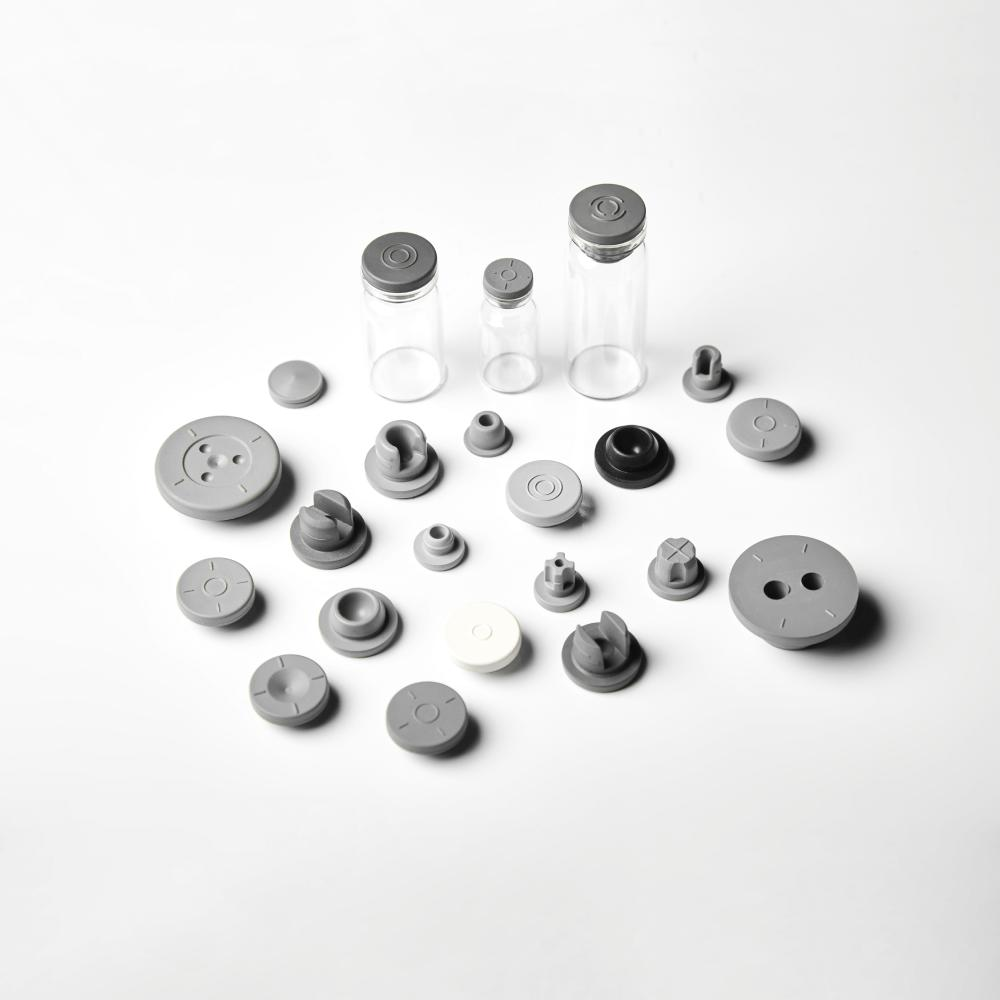
Selecting pharmaceutical primary packaging is an important part of pharmaceutical product development. The packaging system must not only contain the drug, but also protect it from contamination and environmental exposure while maintaining compatibility throughout its intended shelf life.
For injectable pharmaceutical products, the packaging system may include glass vials, rubber stoppers, aluminum seals and other delivery components. A systematic approach to component selection can help pharmaceutical manufacturers build a reliable packaging system.
Here are five key factors to consider.
1. Drug Compatibility
The first consideration is the interaction between the pharmaceutical formulation and the packaging material.
Packaging components should not adversely affect the quality, stability or safety of the drug product. Potential interactions such as adsorption, migration and degradation should therefore be evaluated during packaging development.
2. Container Closure Integrity
For sterile injectable products, maintaining container closure integrity is essential.
A typical vial system combines the glass vial, elastomeric stopper and aluminum seal. Their dimensions, materials and assembly conditions must be appropriately matched to maintain the required sealing performance throughout the product's shelf life.
3. Manufacturing and Filling Process
The packaging system must be compatible with the pharmaceutical manufacturer's filling, stoppering, capping, sterilization and inspection processes.
For example, stopper compression, capping force and sealing conditions can affect the performance of the final container closure system.
4. Storage and Transportation
Pharmaceutical products can experience significant temperature, pressure, vibration and transportation stresses during their lifecycle.
This is particularly important for biological products and other temperature-sensitive medicines. The packaging system should therefore be evaluated under the relevant storage and transportation conditions to ensure that its protective performance is maintained.
5. Application and User Requirements
Different pharmaceutical products require different packaging formats.
Molded glass vials and tubular glass vials can be selected according to product and manufacturing requirements. Butyl rubber stoppers provide sealing and puncture functionality, while aluminum-plastic caps secure and protect the closure system.
For self-administration applications, injection pens and other delivery systems can provide additional convenience for patients.
Building a Complete Pharmaceutical Packaging Solution
The best packaging solution is rarely determined by a single component. Instead, it is the result of selecting compatible materials and components and ensuring that they work together throughout manufacturing, storage, transportation and use.
With a portfolio covering butyl rubber stoppers, molded glass vials, tubular glass vials, aluminum-plastic caps and injection pen solutions, we are committed to providing integrated pharmaceutical packaging solutions for customers worldwide.Depending on the system design, pharmaceutical packaging components may include glass containers, elastomeric components and other specialized parts used to deliver the drug safely and consistently.
The Importance of Integrated Solutions
As pharmaceutical companies develop new injectable products, packaging and delivery systems increasingly need to be considered together.
A supplier capable of providing multiple pharmaceutical packaging components can support customers from traditional vial systems to more advanced drug delivery formats.
Our pharmaceutical packaging portfolio includes butyl rubber stoppers, molded glass vials, tubular glass vials, aluminum-plastic caps and injection pen solutions, allowing us to support a broad range of pharmaceutical packaging and drug delivery applications.