Global Market
 Our Team and Vision
 Why Choose Us
 Pharmaceutical Packaging
 Drug Delivery Devices
 Pharmaceutical Equipment
 Company News
 Industry News
 Quality & Manufacturing
 Certification
 Hotline
0086-510-66229919
Hotline
0086-510-66229919
 1207/1208, Zhifu building.No.299, north of Tongdu Road, Jiangyin city, Jiangsu province.P.R.China
 steven@ss-group.net


Hotline
0086-510-66229919
1207/1208, Zhifu building.No.299, north of Tongdu Road, Jiangyin city, Jiangsu province.P.R.China
steven@ss-group.net
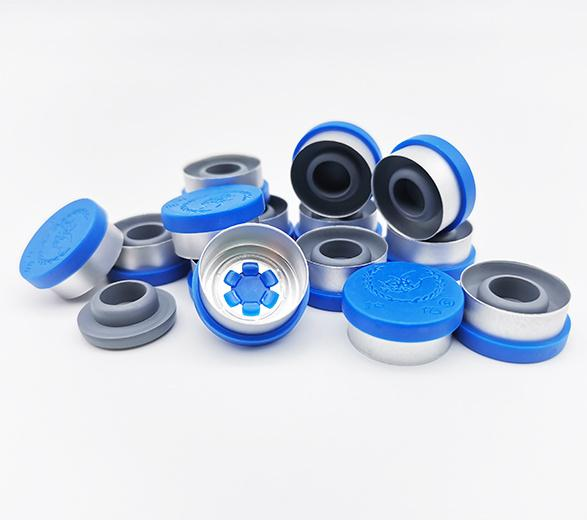
In pharmaceutical vial packaging, the aluminum-plastic cap is an important component of the overall container closure system. Although it may appear to be a simple protective component, its design and compatibility with the vial and rubber stopper can influence the performance and usability of the final package.
A typical vial closure system combines a glass vial, elastomeric stopper and aluminum seal. The components must be properly matched and assembled to achieve reliable container closure integrity.
Protecting the Rubber Stopper
The aluminum component helps secure the stopper after the vial has been sealed. It provides mechanical protection and contributes to maintaining the assembled closure system during transportation, storage and handling.
Depending on the product design, aluminum-plastic caps can incorporate a plastic button or other opening mechanism, providing convenient access to the stopper while maintaining protection before use.
Compatibility Matters
The performance of an aluminum-plastic cap depends on more than the material itself. Its dimensions, skirt design, crimping conditions and compatibility with the vial and stopper all need to be considered.
An improperly configured capping process can affect the final container closure performance. Studies of vial closure systems have demonstrated that vial, stopper and cap combinations can produce different sealing performance depending on their characteristics and assembly conditions.
Supporting Pharmaceutical Manufacturing
For pharmaceutical manufacturers, the ideal aluminum-plastic cap should provide reliable assembly, consistent appearance and convenient access while remaining compatible with the selected vial and rubber stopper.
As part of a complete pharmaceutical packaging portfolio, aluminum-plastic caps can be supplied together with pharmaceutical glass vials and butyl rubber stoppers, helping customers develop a more coordinated primary packaging system.
A well-designed container closure system is ultimately not about one individual component—it is about how all components work together to protect the pharmaceutical product.