Global Market
 Our Team and Vision
 Why Choose Us
 Pharmaceutical Packaging
 Drug Delivery Devices
 Pharmaceutical Equipment
 Company News
 Industry News
 Quality & Manufacturing
 Certification
 Hotline
0086-510-66229919
Hotline
0086-510-66229919
 1207/1208, Zhifu building.No.299, north of Tongdu Road, Jiangyin city, Jiangsu province.P.R.China
 steven@ss-group.net


Hotline
0086-510-66229919
1207/1208, Zhifu building.No.299, north of Tongdu Road, Jiangyin city, Jiangsu province.P.R.China
steven@ss-group.net
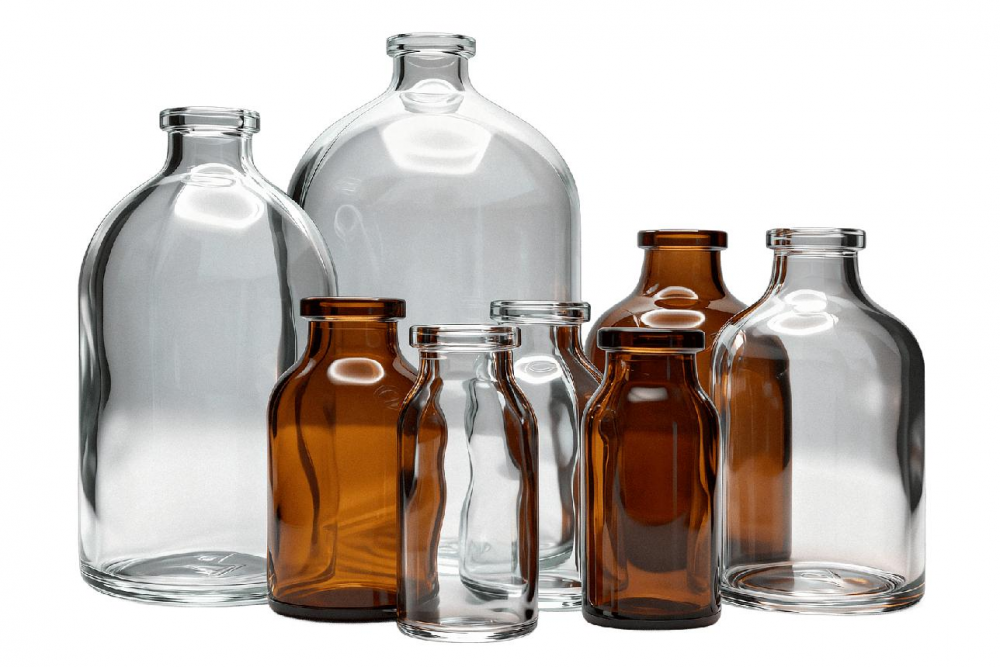
Glass vials are among the most widely used primary packaging formats for injectable pharmaceutical products. Depending on the drug, filling process, required dimensions and packaging design, pharmaceutical manufacturers may select either molded glass vials or tubular glass vials.
Understanding the characteristics of these two vial formats can help pharmaceutical companies select a suitable packaging solution.
What Are Molded Glass Vials?
Molded glass vials are manufactured by forming molten glass directly into a mold. This manufacturing method allows the vial body, neck and other structural features to be formed as an integrated container.
Molded vials are commonly used for pharmaceutical applications where robust container design and consistent dimensions are required.
They can be manufactured in different specifications and are widely used for injectable drugs, lyophilized products and other pharmaceutical preparations.
What Are Tubular Glass Vials?
Tubular glass vials are produced from pharmaceutical glass tubing. The tube is cut and subsequently formed into the required vial shape.
This manufacturing method allows manufacturers to produce lightweight containers with precise dimensions and a variety of formats.
Tubular glass vials are commonly used for injectable pharmaceutical products and are available in different capacities and neck finishes to meet different filling and closure requirements.
How Should Pharmaceutical Manufacturers Choose?
The choice between molded and tubular glass vials depends on several factors, including:
l Drug formulation and compatibility
l Filling and sealing process
l Required vial capacity
l Dimensional requirements
l Mechanical performance
l Sterilization process
l Closure system compatibility
l Transportation and storage conditions
The vial should also be evaluated together with its rubber stopper and aluminum seal, since the three components form an integrated container closure system.
More Than Just a Glass Container
For injectable pharmaceutical products, the glass vial is an important part of the primary packaging system. Its dimensions, material properties and interface with the closure components can all influence the final packaging performance.
By providing both molded glass vials and tubular glass vials, pharmaceutical packaging suppliers can offer manufacturers greater flexibility in selecting the appropriate container for different drug products and filling applications.